
How to Help Employees With Disabilities Thrive | The Way We Work, a TED series
What can we do to make workplaces more welcoming to people living with disabilities? Representation advocate Tiffany Yu shares three ways that employers can change and tap into every worker’s skills and gifts. The Way We Work is a TED original video series where leaders and thinkers offer practical wisdom and insight into how we…

Bloomberg Technology
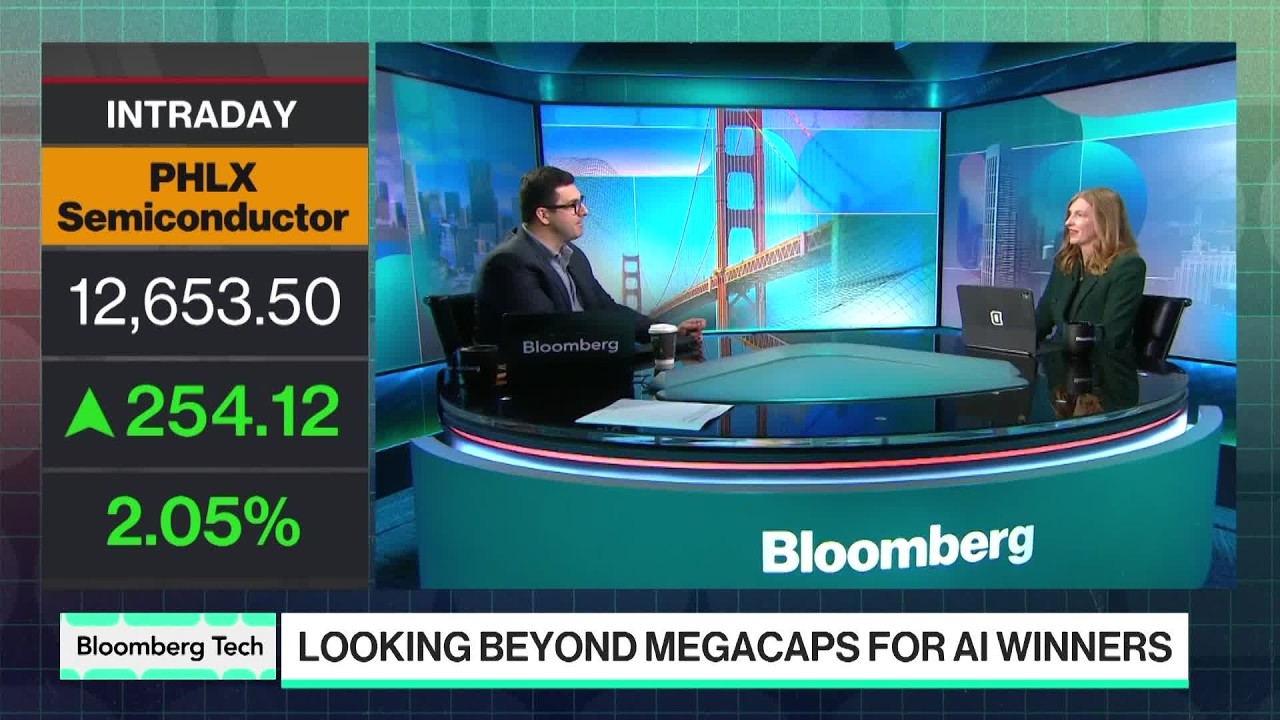
Exploring AI Investment Opportunities Beyond Mega-Cap Tech Giants
Lori Keith, Parnassus Investments portfolio manager and senior analyst, says megacaps are not the only way to play the AI boom. She shares where she sees opportunities in mid-caps — from the companies powering the buildout to those using AI to boost productivity. She joins Ed Ludlow on “Bloomberg Tech.” ——– Like this video? Subscribe…
People & Blogs
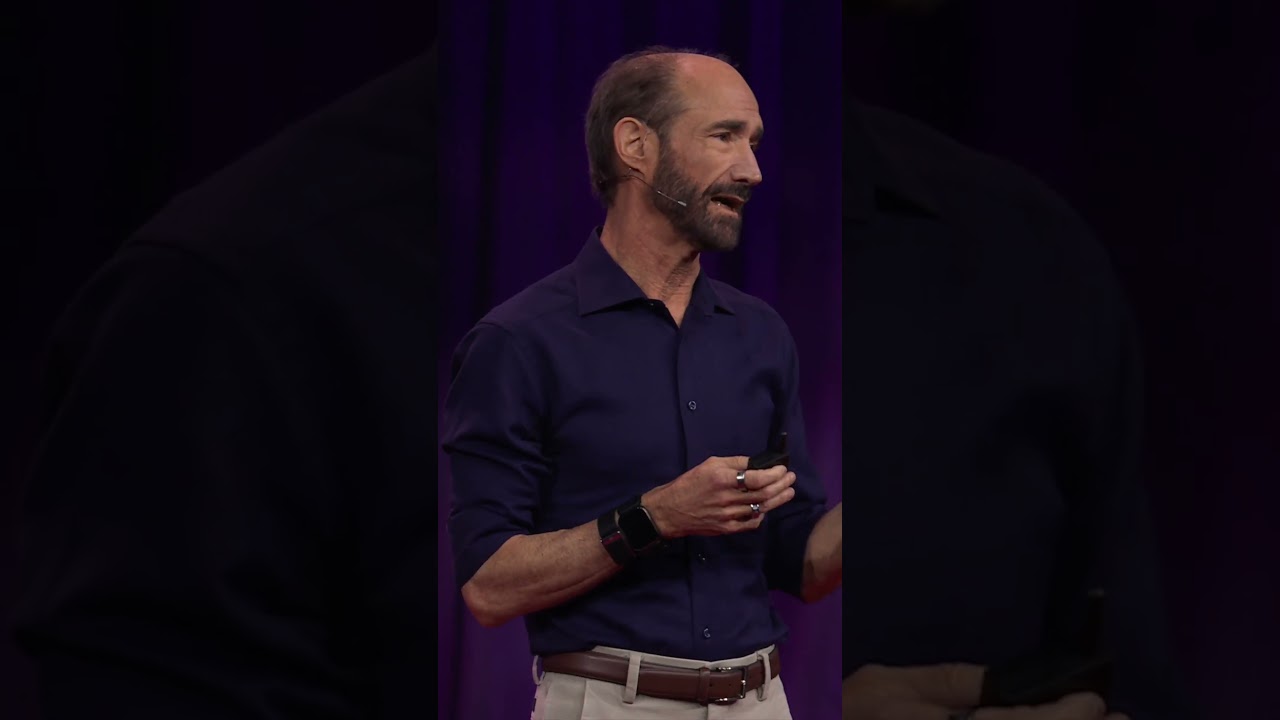
Your watch might be your new doctor’s assistant #TEDTalks
Genome researcher Michael Snyder believes health wearables, such as smart watches and glucose monitors, can transform medicine, shifting from reactive to predictive. (In fact, he’s such a big fan of these devices that he wears eight of them every single day.) From spotting an illness days before symptoms appear to helping prevent the onset of…
Science & Technology
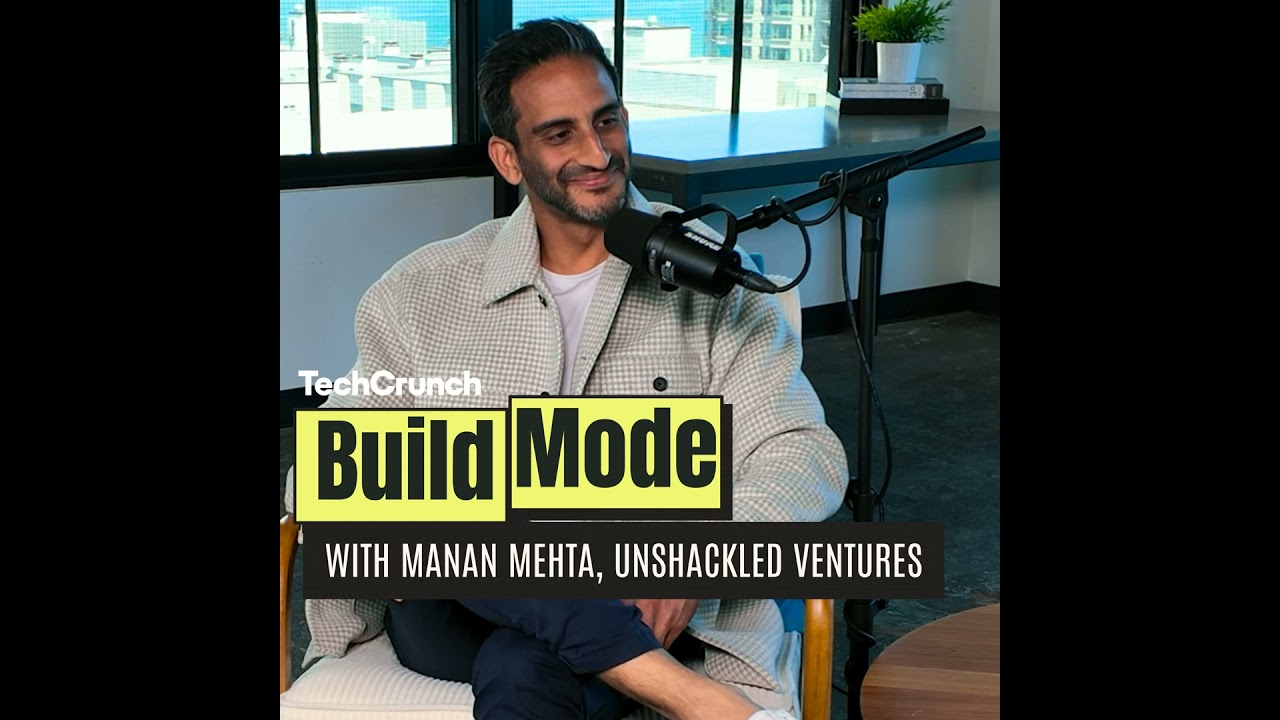
The VC Backing the American Dream with Manan Mehta, Unshackled Ventures
Immigrant founders have built some of the world’s most valuable companies, but many still face barriers that make it harder to get a startup off the ground. Visa restrictions, limited access to friends-and-family capital, shallow networks, and a venture industry built around pattern matching can keep promising founders from getting funded before they have a…

Exploring AI Investment Opportunities Beyond Mega-Cap Tech Giants

Your watch might be your new doctor’s assistant #TEDTalks

The VC Backing the American Dream with Manan Mehta, Unshackled Ventures
-
 Science & Technology6 years ago
Nitya Subramanian: Products and Protocol
-
 People & Blogs4 years ago
Sleep Expert Answers Questions From Twitter ???? | Tech Support | WIRED
-
 CNET6 years ago
Ways you can help Black Lives Matter movement (links, orgs, and more) ????????
-
 Wired7 years ago
How This Guy Became a World Champion Boomerang Thrower | WIRED
-
 Wired7 years ago
Neuroscientist Explains ASMR’s Effects on the Brain & The Body | WIRED
-
 Wired7 years ago
Why It’s Almost Impossible to Solve a Rubik’s Cube in Under 3 Seconds | WIRED
-
 Wired7 years ago
Former FBI Agent Explains How to Read Body Language | Tradecraft | WIRED
-
 CNET7 years ago
Surface Pro 7 review: Hello, old friend ????
Kentuckiana Backyard Farms
April 19, 2023 at 10:36 am
Wow… This is great information and I didnt realize.
Dale de Vernon
April 19, 2023 at 10:42 am
In South Africa where I’m from, 7.5% of the population has some form of disability, lesson 1% of those are employed.
James Reedy
April 19, 2023 at 10:47 am
My “Dis-ability” is a Diss on your ability! Yes I’m mental, no I don’t care, if it bothers you it’s your problem. Someday they will figure out the ones society keeps people pushed out and shunned. I will do it my way, I don’t want your money. It implies that you have something I need. Buddy, I have something you need #1 I can’t really just tell you what that is. #2 Autism is generally superior, trauma has developed it and isolated it. #3 Good luck figuring out how to reach us. Personally, while I believe I have “special talents” I believe there are so many more than myself. Watch out! Someday someone will find the value of an entire defensive line made up of THE Downsman, excessively strong football players that are happy like Jesus to bull you over. lol
Sai Preetham
April 19, 2023 at 10:50 am
Not me armiring her arm muscles ????
KrimsonSeeker
April 19, 2023 at 10:54 am
I had to quit a job because it was no longer safe to work it due to the nature of the job and an increasingly progressive disorder I had. Not every job can be worked safely while having a disability.
TheeMusicalARM
April 19, 2023 at 10:55 am
I found that discrimination about hiring people with disability or assumed health issues is prevalent and stopped mentioning them because I was either not offered, or ghosted after an offer whenever the interviewer had discussed any part of my health needs. The law preventing that is kinda pointless, because no one wants to work at a place that discriminates so most places aren’t called out on it.
Juggalo909
April 19, 2023 at 11:01 am
Well said. Great video.
Dr. M. Hfuhruhurr
April 19, 2023 at 11:06 am
still of concern: exploitation
Differences
April 19, 2023 at 3:26 pm
❤????
KC
April 19, 2023 at 11:13 am
I have POTS and don’t have the energy to work in person. I fought with HR about working from home and wasn’t allowed to until the pandemic. I was taking lots of sick days and using all my PTO for rest days. I was almost to the point of going on long term disability. I’ve now worked remotely for 3 years and have received exemplary remarks from my supervisor every year. I hardly ever take sick days. It shouldn’t be this much of a fight for disabled people to get basic accommodations and make a living like anyone else.
Tina's Vlogs
April 19, 2023 at 11:21 am
????
Differences
April 19, 2023 at 3:25 pm
❤
Dave Tindell
April 19, 2023 at 11:47 am
As a disabled business owner, the shocking way we’re taken advantage of or the attempts to exploit us by society needs to change.
OUSSAMA FF
April 19, 2023 at 11:51 am
From chat gpt
TinoTCG
April 19, 2023 at 12:20 pm
Thanks for posting this!
Differences
April 19, 2023 at 3:25 pm
I’m the expert of this
marianne faulkner
April 19, 2023 at 4:05 pm
USA. Obama No Care removed Health Insurance from Disabled.
Over 2 million can not receive
Health insurance due to Obama.
Documented.
Obama is exposed for abuse to Disabled.
marianne faulkner
April 19, 2023 at 4:06 pm
Obama took health insurance away from the USA taxpayers whom are Disabled.
Documented
Israel
April 19, 2023 at 5:34 pm
There’s a lot of stuff where people honestly don’t see the advantages. I had no concept of seeing vehicles/etc as prostheses. But once you have that possibility or concept it becomes very natural…
It’s comparable to the Sapir-Whorf hypothesis for language. You don’t have the ability to express the need for or use case of a technology because you have no use for it in the first place. A clunky controller or keyboard is great until you need more bandwidth, THEN you consider upgrading. But why not before?
Adaptive techniques and technologies are for everyone… Relegating them to the disabled makes the world function like an original NES. You can get by with hand cramps and back pain. But why???
No Label Thinking
April 19, 2023 at 9:15 pm
Wow, thank you for posting video like this. ❤️
KirstenMarvellous
April 20, 2023 at 2:22 am
As someone about to hand in their notice because after 5 years my global employer can no longer accommodate my 3 day, six times a year migraines it’s good to see people talk about this. Disability inclusion really helps everyone to be treated like human beings. That’s all anyone needs, if they have a chronic health condition or disability or not!
Jurjen Bos
April 20, 2023 at 3:30 am
Not supporting disabled employees as an employer means you miss out on a lot of talent. For example, it always amazes me how few disabled programmers there are. It should be an obvious career choice, since almost anything you do on a computer can be adjusted to your needs.
김대헌TV
April 20, 2023 at 5:05 am
You just may my day????????
Michael Steinhoff
April 20, 2023 at 10:09 am
This woman should be on stage
Tiffany Yu
April 20, 2023 at 9:22 pm
Thank you for including me as part of “The Way We Work” series!